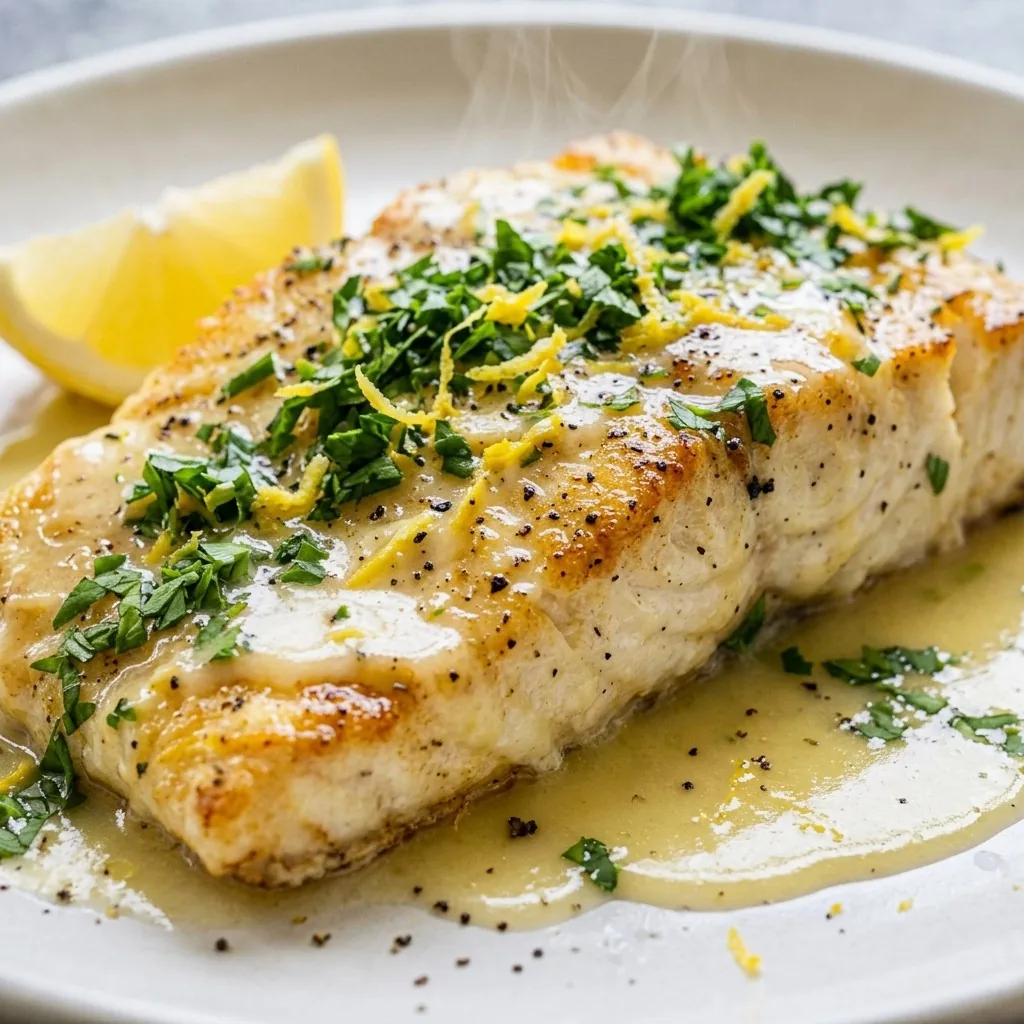
Baked Halibut with Lemon Butter Sauce
Firm halibut fillets dredged in seasoned flour, baked until just flaking, and finished with a rich, blender-emulsified lemon butter sauce and a fresh parsley-lemon zest garnish. Meaty enough to win over the most devoted red-meat lover.
- 4 (6-ounce) fish fillets (about 1-inch thick, halibut or other firm white fish)
- 3 tablespoons lemon juice
- 3 tablespoons butter, melted
- 1/4 cup all-purpose flour
- 1/2 teaspoon salt
- 1/4 teaspoon paprika
- 2 teaspoons Worcestershire sauce
- 1/4 teaspoon white pepper
- 2 tablespoons minced fresh parsley, for garnish
- 2 teaspoons grated lemon peel, for garnish
- 1/4 cup freshly squeezed lemon juice
- 1 garlic clove, peeled
- 1/2-1 teaspoon salt
- 1/4 teaspoon ground white pepper
- 1 stick butter, melted
- Zest of 1 lemon
- Preheat your oven to 400°F and coat a 13x9-inch baking dish with non-stick spray, setting it aside within easy reach. Having the dish ready before you start dredging keeps the process moving since the coating on the fillets doesn't like to sit around too long before baking.
- In a shallow bowl, whisk together the lemon juice, Worcestershire sauce, and melted butter. In a separate shallow bowl, stir together the flour, salt, paprika, and white pepper so the seasoning is evenly distributed through the dry coating.
- Dip each fish fillet into the lemon-butter mixture first, then press it into the seasoned flour to coat both sides, shaking off any excess as you go. Coating wet-then-dry like this is what gives the fillets a light, even crust rather than clumpy patches of raw flour.
- Arrange the coated fillets in the prepared baking dish and drizzle any remaining lemon juice mixture over the top. Bake for 12 to 15 minutes, until the fish just begins to flake easily when you press it with a fork — firm white fish like halibut can go from perfectly done to dry quickly, so start checking at the earlier end of that window.
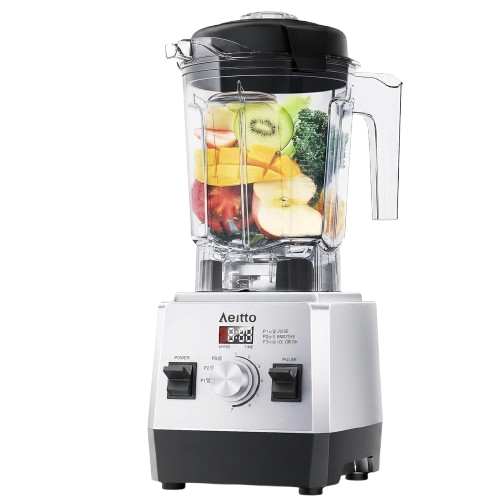
- While the fish bakes, combine the freshly squeezed lemon juice, garlic clove, salt, and white pepper in a blender and process until the garlic is fully broken down and incorporated into the liquid. Starting with the garlic pulverized in the acidic lemon juice keeps you from biting into an unpleasant raw chunk later.
- With the blender still running on low speed, slowly pour the melted butter in through the opening in the lid, blending until the mixture turns thick, pale, and fully emulsified. Adding the butter gradually while the blades are moving is what keeps the sauce from separating into an oily, broken mess.
- Pour the emulsified sauce into a bowl and stir in the lemon zest along with any pan juices left in the baking dish once the fish comes out. Those pan juices carry concentrated fish and butter flavor that would otherwise go to waste.
- Stir the minced parsley and grated lemon peel together, then sprinkle the mixture evenly over the baked fish for a fresh, bright finish. Transfer the fillets to individual serving plates.
- Spoon or pour the warm lemon butter sauce generously over each fillet just before serving. Pair with a steamed vegetable and a scoop of couscous or rice pilaf alongside for a complete plate.
Chef's Note: The wet-then-dry dredge is a small but important detail — dipping the fish in the lemon-butter mixture before the seasoned flour gives you something for the flour to actually cling to, so you get an even, light crust rather than bare patches or clumps. The blended lemon butter sauce is really the star here, though: running it through a blender while streaming in the melted butter is what creates that thick, glossy emulsion instead of a thin, separated pan sauce.
This recipe works with any firm white fish, so don't hesitate to swap in cod if halibut isn't available or is out of budget. The lemon butter sauce can be made a few minutes ahead and kept warm off to the side, but it's best used the same day — the emulsion can break if it sits too long or gets reheated too aggressively.
A few tools that make this recipe easier to get right.



As an Amazon Associate, Salt & Simmer earns from qualifying purchases made through these links, at no extra cost to you.