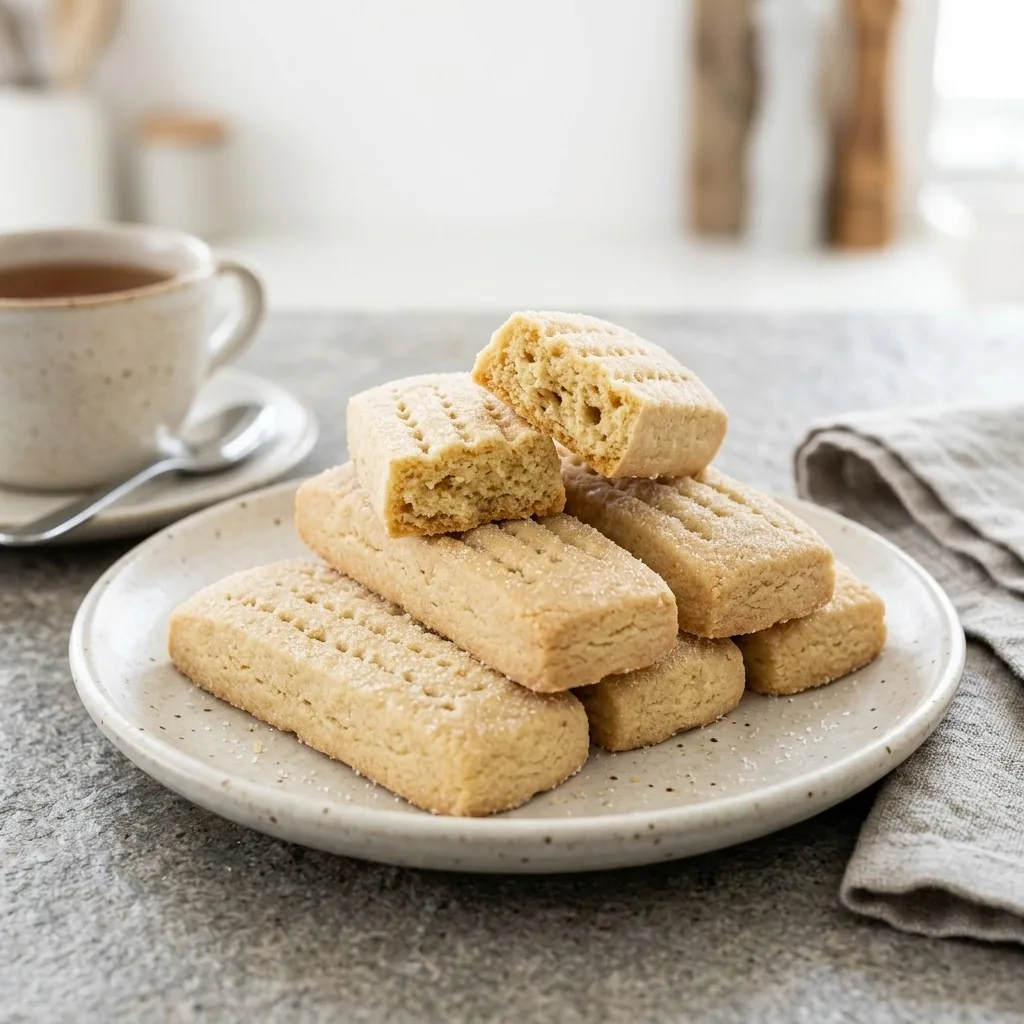
Classic Shortbread
Buttery, crumbly shortbread fingers made from just five pantry staples, pressed into a tin, pricked decoratively, and baked until pale golden.
- 250g very soft butter, plus extra for greasing
- 125g golden caster sugar, plus extra for sprinkling
- 300g plain flour
- 50g cornflour
- 1/2 teaspoon fine sea salt
- Preheat the oven to 170°C (fan 150°C, gas mark 3 1/2). Grease a 20cm square baking tin and line the base and sides with baking paper, leaving a slight overhang to help lift the shortbread out later.
- Put the very soft butter and golden caster sugar in a large mixing bowl and cream them together with a wooden spoon until well softened and combined. The butter needs to be genuinely soft here — not melted — so it blends smoothly into the sugar without turning greasy.
- Tip in the plain flour, cornflour, and salt, then stir until well combined, taking care not to overwork the dough. Bring the dough together with your hands and press it firmly and evenly into the prepared tin. Lay a sheet of baking paper or clingfilm on top and flatten the surface using a spatula or the back of a spoon, then discard the covering and prick the top decoratively with a fork — this both looks traditional and helps steam escape evenly as it bakes.
- Bake for 55 to 60 minutes, until the shortbread turns pale golden across the top. Remove from the oven and sprinkle immediately and evenly with a little extra sugar while it's still warm, so it adheres to the surface.
- Leave the shortbread to cool completely in the tin before turning it out — cutting into it while warm will crumble the edges. Once fully cooled, cut into 16 fingers.
Chef's Note: Shortbread's whole character comes down to how little you do to it — with only butter, sugar, and flour, there's no leavening or liquid to distract from that dense, sandy crumb, so the technique is really about restraint. Stirring the dough only until it just comes together is the one thing worth being careful about; overworking it develops the flour's gluten and turns what should be tender and crumbly into something closer to tough.
The cornflour in the mix is doing quiet but important work, softening the texture further than an all-flour shortbread would manage on its own. This is an easy one to make ahead — it keeps well in an airtight container for up to 5 days at room temperature, and the baked fingers freeze nicely too if you want to have some on hand.
A few tools that make this recipe easier to get right.

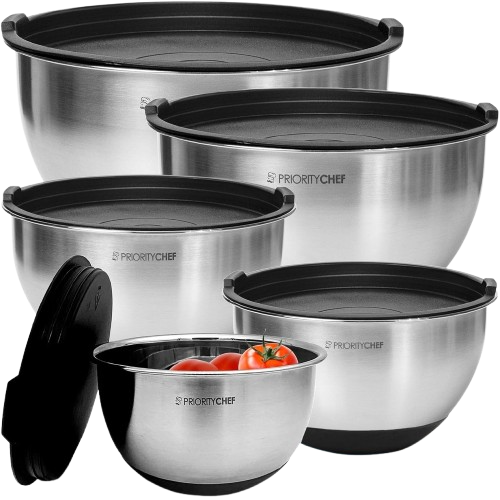

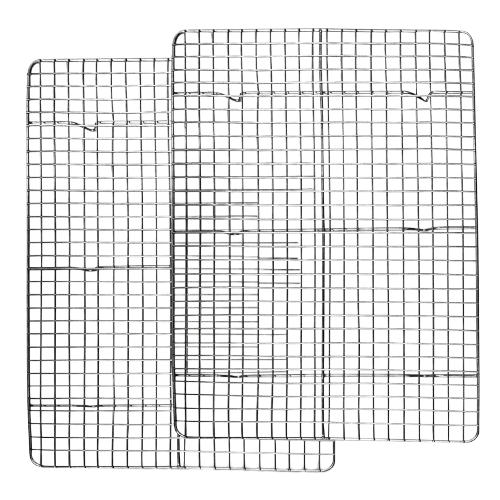
As an Amazon Associate, Salt & Simmer earns from qualifying purchases made through these links, at no extra cost to you.