
Coq au Vin
Bone-in chicken thighs and legs marinated overnight in red wine, then braised slowly with smoky bacon, pearl onions, and mushrooms until deeply tender. A true French classic, worth the wait.
For the Chicken & Marinade
- 4 chicken thighs
- 4 chicken legs
- 2 cups full-bodied red wine, such as Cabernet Sauvignon
- Coarse salt and freshly ground pepper
For the Braise
- 8 ounces slab bacon, cut into ½-inch dice
- 3 tablespoons extra-virgin olive oil, if needed
- 1 medium onion, finely chopped
- 8 garlic cloves, thinly sliced
- 10 white pearl onions, peeled
- ½ pound small cremini mushrooms
- 3 tablespoons all-purpose flour
- 1 tablespoon tomato paste
- 2 tablespoons Cognac
- 1 chicken liver, coarsely chopped
- 2 bay leaves
- 5 fresh thyme sprigs
- Place the chicken thighs and legs in a large bowl and pour the red wine over them, making sure each piece is well submerged. Cover tightly and refrigerate for at least 8 hours, or ideally overnight. This long soak is what gives coq au vin its signature depth — the wine slowly works its way into the meat, tenderising it while laying down the base flavour the whole dish builds on.
- The next day, preheat your oven to 325°F. Lift the chicken out of the wine and set it on a plate lined with paper towel, patting each piece thoroughly dry — do not skip this step, as damp skin will steam rather than brown. Reserve the marinating wine in a separate container; you'll need it later. Season the chicken generously on all sides with salt and pepper.
- Set a Dutch oven over medium-low heat and add the diced bacon. Let it render slowly, stirring occasionally, until deeply crisp and golden, which will take about 20 minutes — resist the urge to rush this with higher heat, as a slow render pulls out maximum flavour without scorching the meat. Lift the bacon out with a slotted spoon onto a plate, leaving the fat behind in the pot. You should be left with roughly 3 tablespoons of drippings; top up with a little olive oil if the pot looks dry.
- Increase the heat to medium-high. Working in batches so you don't crowd the pot, add the chicken skin-side down and let it sear undisturbed, then flip once and continue cooking until both sides are a deep golden brown, about 4 to 5 minutes per side. Crowding the pot at this stage will trap steam and stop the skin from browning properly, so be patient and do it in stages. Transfer the browned chicken to a plate as each batch finishes.
- Add the chopped onion to the fat remaining in the pot and cook for 4 to 5 minutes, stirring now and then, until softened and translucent. Stir in the sliced garlic and cook for a further 2 minutes until fragrant but not coloured. Add the pearl onions and mushrooms, and cook for 3 to 4 minutes, allowing them to pick up some colour and release a little of their moisture — this browning is where another layer of savoury depth gets built into the sauce.
- Sprinkle the flour and tomato paste over the vegetables and stir well to coat everything evenly, cooking for about 2 minutes so the raw flour taste cooks off and the tomato paste deepens slightly in colour. Pour in the Cognac and cook, stirring constantly, for 1 minute — it will bubble up and reduce quickly, leaving behind a rich, slightly sweet undertone that rounds out the sauce.
- Return the bacon and browned chicken to the pot, nestling the pieces in among the vegetables. Pour in the reserved marinating wine, then tuck in the chopped chicken liver, bay leaves, and thyme sprigs. Bring the whole pot up to a gentle simmer on the stovetop before moving it to the oven — this ensures even cooking from the very start rather than a cold pot slowly catching up to temperature.
- Cover the pot and transfer it to the oven, where it will cook gently for 45 minutes to 1 hour, until the chicken is fall-tender and the vegetables have softened completely. Once done, discard the bay leaves and thyme sprigs, and skim any excess fat from the surface of the sauce with a large spoon before serving. The sauce should be glossy, deeply coloured, and rich enough to coat the back of a spoon.
Chef's Note: Coq au vin is, at its heart, a study in patience — every stage exists to layer flavour onto the next, from the overnight wine soak through the slow bacon render to the long, gentle braise. The chicken liver is a traditional but easy-to-skip detail; stirred in at the end of cooking, it quietly enriches and thickens the sauce without announcing itself, giving the finished dish a fuller body that's hard to pin down if you don't know it's there.
This is an excellent make-ahead dish — in fact, many cooks insist it tastes better the next day, once the sauce has had time to settle and the flavours have had a chance to mingle further in the fridge. Reheat it gently, covered, over low heat on the stovetop rather than the microwave, which can toughen the chicken. Serve it simply, with crusty bread or buttery mashed potatoes to soak up the sauce, and pour whatever red wine you used in the pot alongside it at the table.
A few tools that make this recipe easier to get right.
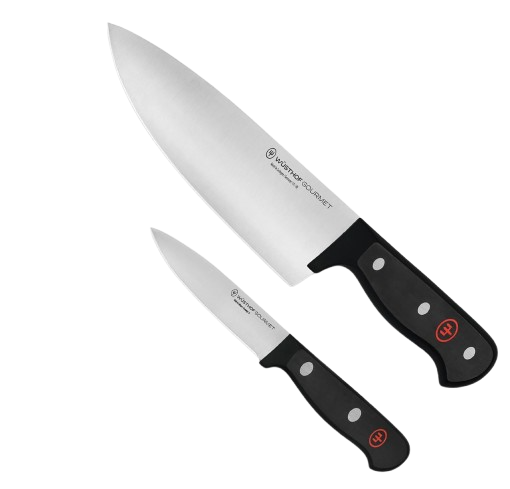
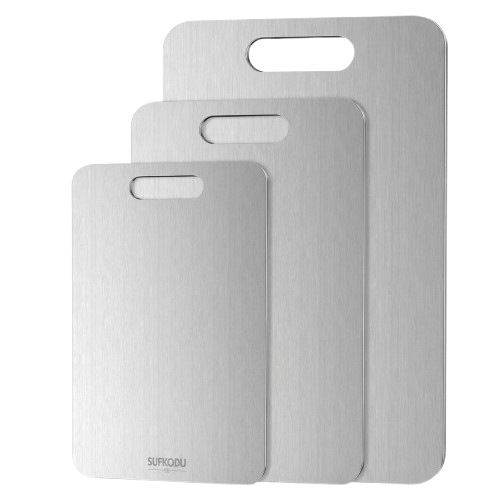
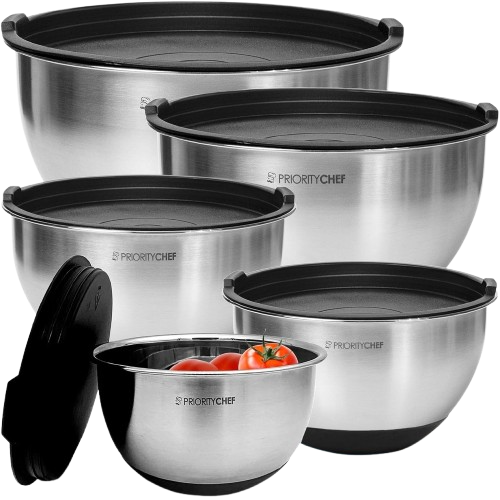
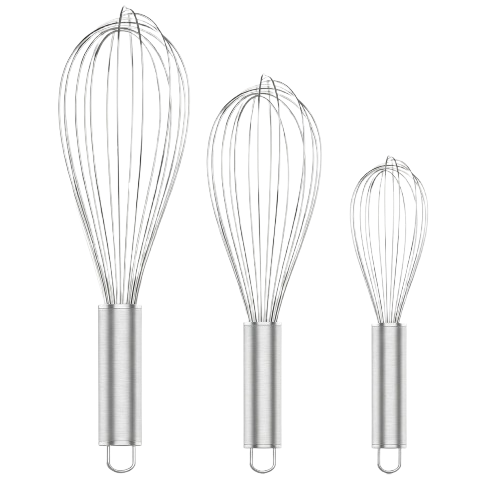
As an Amazon Associate, Salt & Simmer earns from qualifying purchases made through these links, at no extra cost to you.