
Greek Salad with Feta and Kalamata Olives
Fresh, vibrant salad with crisp cucumbers, juicy tomatoes, briny Kalamata olives, and creamy feta cheese dressed in a simple olive oil vinaigrette. A classic Mediterranean salad bursting with color and authentic flavor.
- 1 large cucumber, diced
- 4 large tomatoes, diced
- 1 red bell pepper, chopped
- 1 green bell pepper, chopped
- 1 small red onion, thinly sliced
- ½ cup Kalamata olives, pitted and halved
- ½ cup feta cheese, crumbled or cubed
- ¼ cup extra virgin olive oil
- 1 tbsp red wine vinegar or lemon juice
- 1 clove garlic, minced (optional)
- 1 tsp dried oregano
- to taste salt and freshly ground black pepper
- optional fresh oregano and parsley, chopped
- Prepare all vegetables using sharp knives to ensure clean, crisp cuts. Dice the cucumber into roughly ½-inch cubes. Dice the tomatoes, removing any excess seeds and liquid to prevent the salad from becoming watery—drain them briefly in a colander if necessary. Chop both bell peppers into similar-sized pieces for visual consistency. Slice the red onion thinly, separating the rings slightly as you work. The vegetables should be uniform in size so they cook evenly and present beautifully.
- Combine all the prepared vegetables in a large, shallow bowl: the diced cucumber, tomatoes, bell peppers, and sliced red onion. Add the halved Kalamata olives, which contribute briny saltiness and umami depth. The colors should be vibrant—bright reds and greens. Gently toss the vegetables together, being careful not to crush the delicate tomatoes or cucumber.
- In a small bowl, prepare the dressing. Whisk together the extra virgin olive oil, red wine vinegar or fresh lemon juice, minced garlic if using, and dried oregano. Whisk until well combined. The ratio of oil to vinegar should feel balanced—3 parts oil to 1 part vinegar is traditional, but adjust to your taste preference. The dressing should taste assertive before coating the salad.
- Season the dressing with salt and freshly ground black pepper to taste. Remember that the Kalamata olives and feta cheese are both naturally salty—taste carefully to avoid over-salting the finished dish.
- Pour the dressing over the salad and toss gently but thoroughly, coating all ingredients evenly. The vegetables should glisten with oil and vinegar. Let the salad sit for 5–10 minutes at room temperature to allow the flavors to meld and the vegetables to soften slightly while still maintaining their crispness and structure.
- Just before serving, adjust the seasoning to taste and add the crumbled or cubed feta cheese. If using fresh oregano or parsley, chop it finely and sprinkle over the top as garnish. Serve immediately as a side dish or as a light main course. Greek Salad is best eaten fresh, though leftover salad keeps refrigerated for up to one day—the vegetables will soften and the flavors will intensify.
Chef's Note: Greek Salad is one of the world's great dishes precisely because of its simplicity and reliance on ingredient quality. This is not a salad where technique hides inferior ingredients—it is a vehicle for showcasing the finest vegetables and Kalamata olives available. Seek out heirloom tomatoes in season or genuine hothouse tomatoes with actual flavor rather than pale supermarket specimens.
The feta should be creamy and tangy, preferably imported from Greece or Cyprus. The olives must be genuine Kalamata olives, not the generic black olives often substituted. Use excellent extra virgin olive oil—this is one of the few dishes where the quality of the oil directly impacts the final result. Some cooks add thin slivers of red onion to enhance the peppery sharpness; others prefer to omit it. This is your salad to modify based on preference. The key principle is letting the vegetables speak for themselves without heavy dressing or competing flavors.
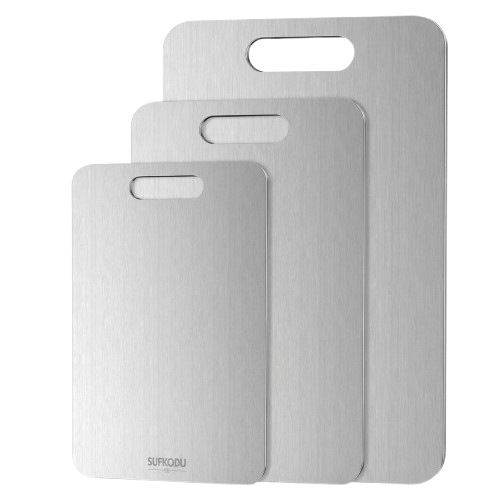
A few tools that make this recipe easier to get right.



As an Amazon Associate, Salt & Simmer earns from qualifying purchases made through these links, at no extra cost to you.