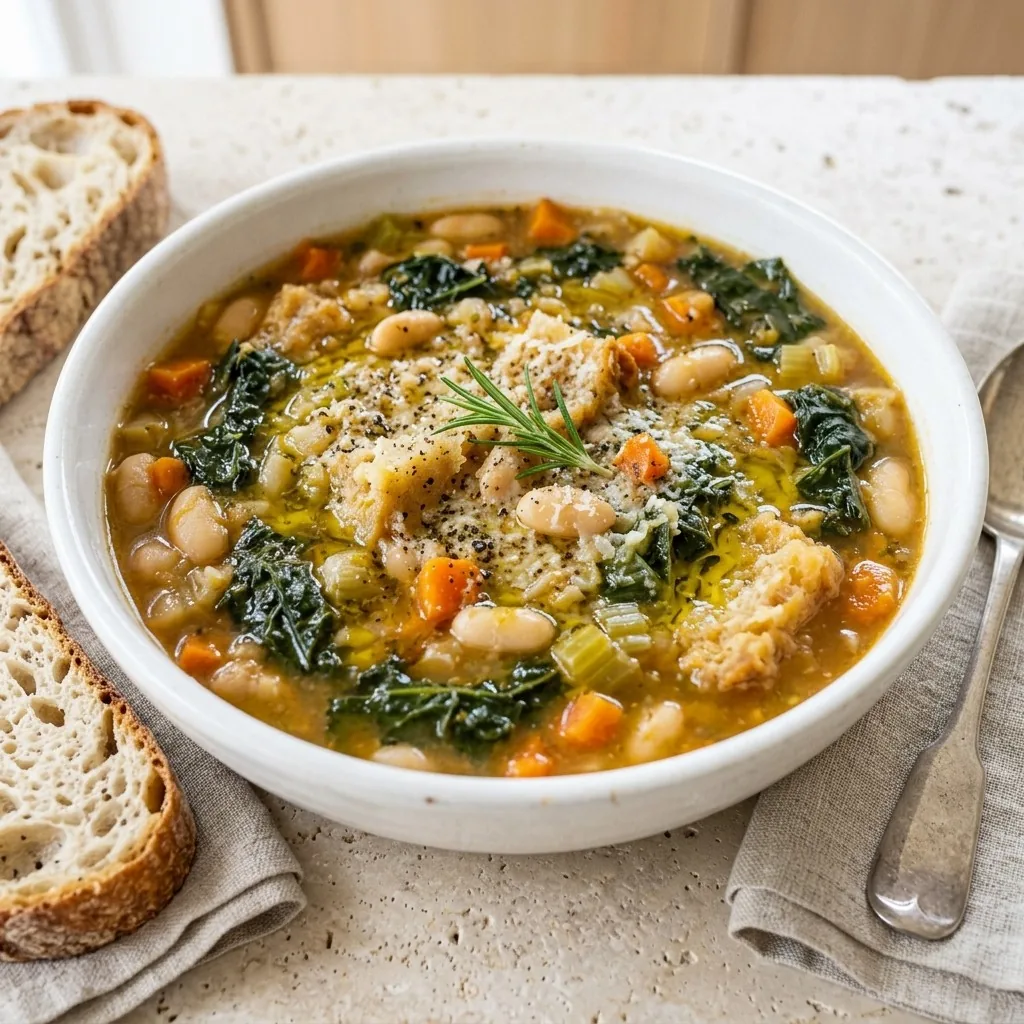
Ribollita
A rustic Tuscan bean and vegetable soup thickened with stale bread, simmered until silky and rich. The ultimate comfort food born of resourcefulness and tradition.
- 300g cannellini beans, soaked and cooked or canned
- 1 large onion, chopped
- 2 carrots, diced
- 2 celery stalks, diced
- 3 garlic cloves, minced
- 200g cavolo nero (Tuscan kale) or kale, chopped
- 2 tomatoes, peeled and chopped
- 1 liter vegetable or chicken broth
- 4 thick slices stale bread, cubed
- 4 tbsp extra virgin olive oil
- 3 sprigs fresh rosemary
- to taste salt and pepper
- Heat the extra virgin olive oil in a large, heavy-bottomed pot over medium heat. Add the chopped onion, carrots, celery, and minced garlic. Sauté gently, stirring occasionally, for about 8–10 minutes until the vegetables are softened and fragrant but not browned. This aromatic base will provide the soup's foundation.
- Add the peeled and chopped tomatoes to the pot, stirring well. Cook for about 5 minutes, allowing the tomatoes to soften and release their juices. Add the chopped cavolo nero, cooked cannellini beans, vegetable broth, and fresh rosemary sprigs. Bring to a gentle simmer, then reduce heat to low and simmer uncovered for about 45–50 minutes, allowing the flavors to meld and deepen.
- After the initial simmer, add the cubed stale bread directly to the soup, stirring well to distribute it evenly. The bread will gradually soften and begin to break down, thickening the soup from the inside. As it absorbs the flavorful broth, the soup will become creamy and cohesive. Stir occasionally to prevent sticking and ensure even distribution of bread.
- Continue cooking for another 20–30 minutes, stirring occasionally, until the bread has mostly disintegrated and the soup has thickened to a hearty, almost porridge-like consistency. The soup should be thick enough to coat the back of a spoon but still pourable—adjust the consistency by adding more broth if too thick, or cooking longer if too thin.
- Remove the rosemary sprigs and taste the soup. Adjust seasoning with salt and pepper as needed. The soup should taste rich and savory, with each element—beans, greens, bread, and broth—working together in harmony.
- Ladle the ribollita into deep bowls and finish each serving with a generous drizzle of the finest extra virgin olive oil. Fresh cracked black pepper is traditional. Serve hot or warm. Ribollita can be made a day ahead and actually improves in flavor as it sits—the bread continues to absorb flavors and thicken the soup.
Chef's Note: Ribollita—literally "re-boiled"—is a Tuscan masterpiece born of necessity and tradition. It's the soup that emerged from yesterday's leftover minestrone and stale bread, boiled together to create something entirely new and satisfying. This is peasant food elevated by time and technique, a testament to Italian cooking's philosophy of waste nothing.
The beauty of ribollita is in its adaptability and its rough honesty. The bread is not a garnish but an essential ingredient that thickens and enriches the broth from within. Traditionally made with whatever vegetables were at hand, this version features kale and beans, but it works with spinach, chard, or other winter greens. The soup improves with age—make it a day or two ahead. It can be frozen for up to three months and reheated gently on the stovetop.
A few tools that make this recipe easier to get right.
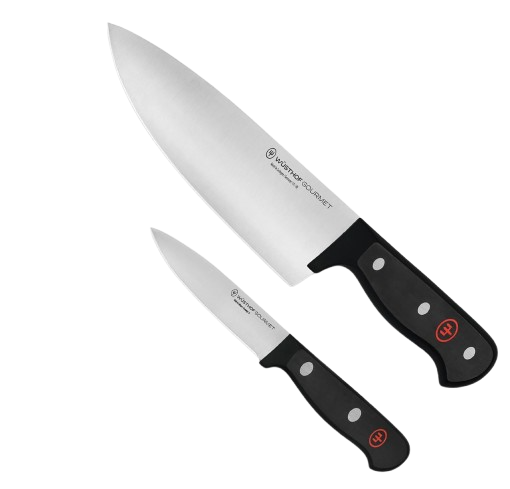
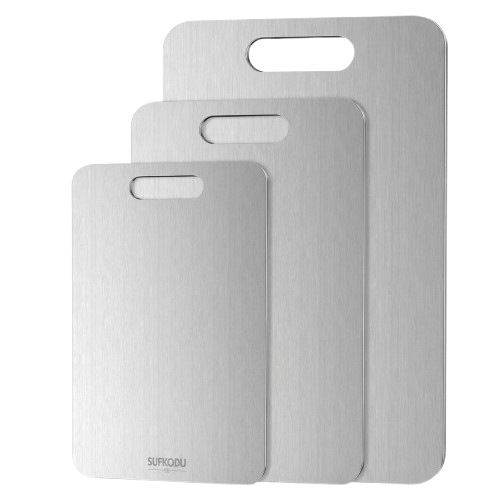
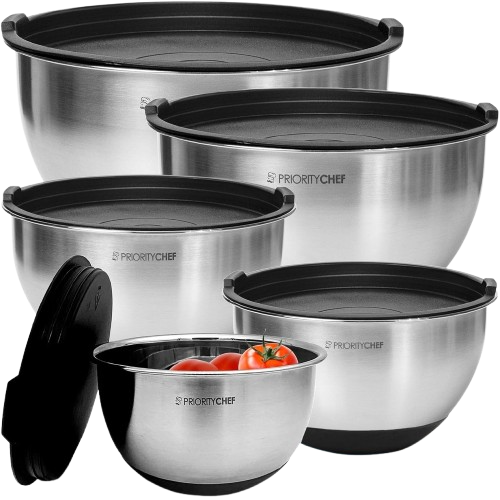
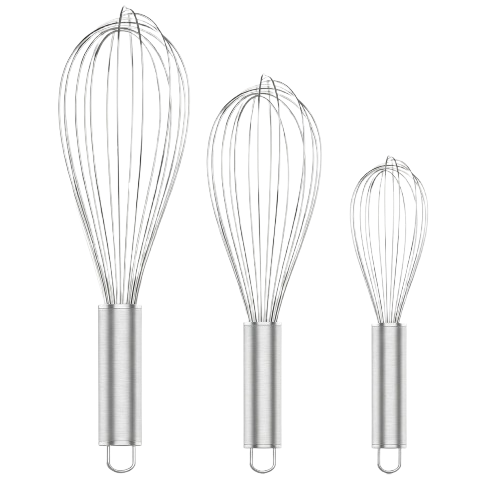
As an Amazon Associate, Salt & Simmer earns from qualifying purchases made through these links, at no extra cost to you.