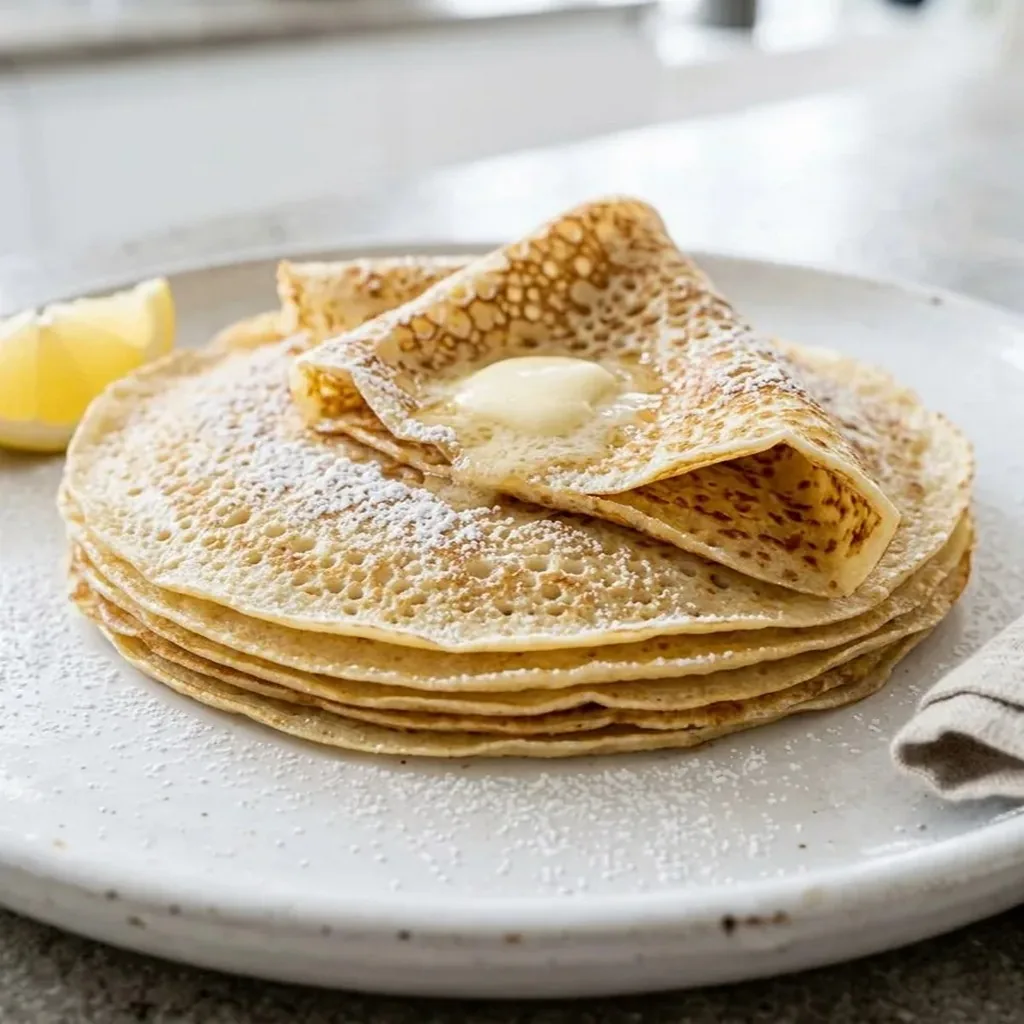
Simple Crepes
A foolproof blender batter that rests for thirty minutes before being cooked into thin, lacy, golden crepes. The most versatile base in French home cooking, ready for any filling you can dream up.
- 1 cup unbleached all-purpose flour
- 1 tablespoon granulated sugar
- ¼ teaspoon kosher salt
- 1 ½ cups whole milk, room temperature
- 4 large eggs, room temperature
- 3 tablespoons unsalted butter, melted, plus more for brushing
- Combine the flour, sugar, salt, milk, eggs, and melted butter in a blender and puree until completely smooth, about 30 seconds — the blender does the work a whisk would struggle with, breaking down every last lump in seconds. Transfer the batter to the fridge and let it rest for at least 30 minutes, or up to a full day; this resting period allows the flour to fully hydrate and the gluten to relax, which is what gives finished crepes their characteristic tenderness rather than a rubbery chew. Give the batter a quick stir before you start cooking, since it tends to separate slightly as it sits.
- Set an 8-inch nonstick skillet over medium heat and let it warm through fully before you begin — a pan that isn't hot enough will make the first crepe stick and tear. Brush the surface lightly with melted butter, then quickly pour ¼ cup of batter into the center of the pan. Immediately tilt and swirl the skillet in a circular motion so the thin batter spreads out and coats the entire bottom in one even layer before it has a chance to set.
- Let the crepe cook undisturbed until it turns golden in patches across the bottom and the edges begin to curl and lift away from the pan on their own, which takes about 1 to 1½ minutes. Slide an offset spatula gently under one edge to loosen it, then use your fingertips to carefully flip the crepe over — it's more delicate than it looks, so a light touch here goes a long way toward keeping it intact.
- Cook the crepe on its second side for about 45 seconds, just until it's set through and lightly golden in spots — this side cooks faster since the pan is already at full heat and the crepe itself is very thin. Slide the finished crepe out onto a paper towel-lined plate to catch any excess butter.
- Repeat the process with the remaining batter, brushing the pan with a little more butter between crepes as needed to keep them from sticking. Stack the finished crepes directly on top of one another as they come off the heat — there's no need for parchment between them at this stage, since the slight residual moisture actually helps keep them pliable. Let the whole stack cool to room temperature before filling, rolling, or storing.
Chef's Note: The resting time is the one step in this recipe that's easy to skip and shouldn't be — batter that goes straight from the blender to the pan tends to produce crepes that are tougher and more prone to tearing, because the flour hasn't had time to fully absorb the liquid. Half an hour in the fridge is the minimum; resting overnight, if you have the time, produces an even more tender result and means the batter is ready to go the next morning.
Once cooked, crepes are endlessly adaptable — roll them simply with chocolate spread and banana, or fold them in half and again into a triangle for a classic crepes Suzette presentation. On the savory side, ham and Gruyère or sautéed mushrooms with goat cheese both turn this same base into a proper lunch or brunch dish. Leftover crepes keep well stacked between sheets of wax paper, wrapped tightly in plastic, and refrigerated for up to three days, or frozen for up to a month.
A few tools that make this recipe easier to get right.

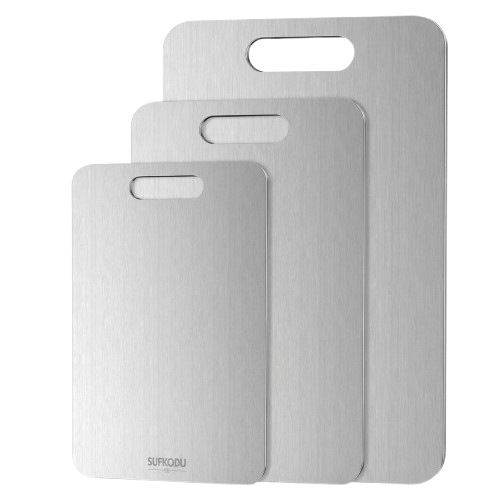
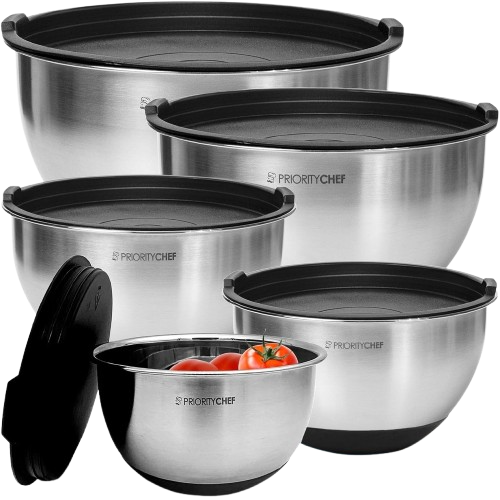
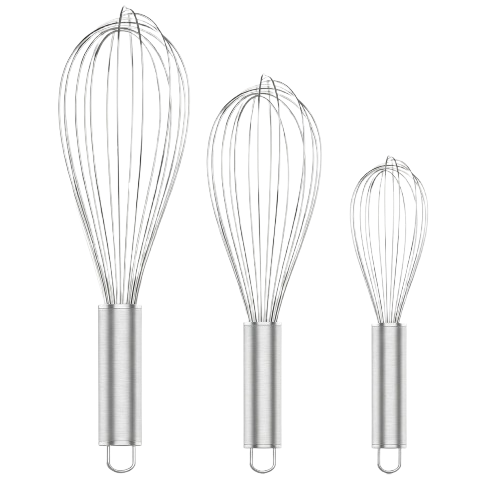
As an Amazon Associate, Salt & Simmer earns from qualifying purchases made through these links, at no extra cost to you.