
Vietnamese Beef Pho
A restaurant-quality bowl of pho built the slow way: charred aromatics, blanched bones, and a gentle six-hour simmer for a broth that's clear, deeply savory, and never heavy. Finished with silky rice noodles, tender beef, and a mountain of fresh herbs.
- 1 large onion, skin-on, halved
- 4-inch piece ginger, halved lengthwise
- 2 pounds beef bones (marrow and knuckle bones)
- 1½ pounds beef brisket or oxtail
- Cold water, to cover (about 5 quarts / 4.7 liters)
- 6 whole star anise
- 3 cinnamon sticks
- 2 green cardamom pods
- 1 teaspoon coriander seeds
- 1 teaspoon fennel seeds
- 6 garlic cloves
- ½ daikon radish, cut into large chunks
- 1 teaspoon MSG
- 1 tablespoon kosher salt, plus more to taste
- 2 tablespoons fish sauce
- 2 teaspoons rock sugar (optional)
- 12 ounces thin rice noodles
- 8 ounces beef sirloin or eye of round, thinly sliced against the grain
- 2 tablespoons hoisin sauce
- 1 tablespoon sriracha
- 1 teaspoon fresh lime juice
- Thai basil
- Cilantro
- Fresh mint
- Bean sprouts
- Scallion
- Lime wedge
- Jalapeño or Thai chili, diced
- Set a cast-iron skillet over high heat until it's smoking hot, then lay the onion and ginger halves cut-side down directly on the dry surface. Let them sit undisturbed for eight to ten minutes so the cut faces blacken and blister — this char is what gives pho its deep color and smoky backbone, so don't rush it or move the pieces around too soon.
- Place the beef bones and brisket in a large stockpot, cover completely with cold water, and bring to a full boil. Let them boil hard for ten minutes, then drain everything into the sink and rinse the bones, the meat, and the pot itself under running water to wash away the grey scum. This blanching step is the secret to a clear broth later — skip it and you'll end up with a cloudy, muddy-tasting pot no amount of straining can fix.
- Wipe out the skillet and toast the star anise, cinnamon sticks, cardamom pods, coriander seeds, and fennel seeds over medium-low heat, shaking the pan often, until the spices turn fragrant and just slightly darker, about five minutes. Pull the pan off the heat as soon as you smell the anise and cinnamon lift off the pan, since scorched spices will turn bitter fast; once cooled slightly, bundle them into a square of cheesecloth and tie it snugly with kitchen twine to make a sachet.
- Return the blanched bones and brisket to the clean stockpot along with the charred onion and ginger, the garlic cloves, and the daikon chunks, then drop in the spice sachet. Building the pot this way — aromatics and spices together from the start — lets everything steep evenly as the broth comes up to temperature.
- Stir in the MSG, kosher salt, and fish sauce, then add enough cold water to fully submerge everything. Bring it up to a boil over high heat, then immediately drop the heat down to the barest simmer, skimming off any grey foam that rises to the surface every few minutes for the first half hour — this keeps the broth from turning cloudy.
- Let the pot simmer uncovered, barely bubbling, for six full hours, topping off with hot water occasionally if the level drops below the bones. Low and slow is the whole point here: a hard boil will emulsify the fat into the liquid and leave you with a greasy, opaque broth instead of the clean, golden one you're after.
- Lift out the bones, brisket, and spent aromatics with tongs or a slotted spoon, setting aside any tender pieces of meat still clinging to the bones or brisket to use later. Strain the remaining liquid through a fine-mesh strainer into a clean pot or large bowl to catch any last bits of spice or sediment, then taste and adjust with a little more salt, fish sauce, or rock sugar until the flavor is balanced and savory.
- Cover and refrigerate the strained broth overnight, or at least eight hours. The chill lets the fat rise and solidify into an easy-to-remove cap on top, which you'll want to lift off and discard before reheating so the final broth stays light rather than greasy.
- Submerge the rice noodles in warm water and let them soften for about 20 minutes, or use cold water and give them up to an hour if you're prepping ahead. They should turn flexible and opaque-white but still feel firm — they'll finish cooking in a moment, so don't let them go fully limp at this stage.
- Bring a separate pot of water to a rolling boil and drop in the soaked noodles, cooking just until tender according to the package timing, usually only a minute or two since they're already softened. Drain immediately and rinse briefly under cool water to stop the cooking and keep the strands from clumping together.
- Divide the noodles evenly among six serving bowls, then arrange the thinly sliced raw beef sirloin over the top along with the reserved tender meat pulled from the broth earlier. Keeping the sirloin raw at this point matters — the hot broth poured on next will gently poach it to a perfect medium in the bowl.
- Whisk together the hoisin sauce, sriracha, and fresh lime juice in a small bowl until smooth and glossy, then set it aside to serve on the side as a dipping sauce for the beef and herbs.
- Skim any remaining fat from the chilled broth if you haven't already, then bring it to a rolling boil over high heat in a clean pot — it needs to be genuinely boiling, not just hot, to properly cook the raw beef in the next step.
- Ladle the boiling broth directly over the noodles and beef in each bowl, filling almost to the rim. The heat of the broth will turn the sliced sirloin from red to pale pink within seconds, so serve immediately rather than letting the bowls sit.
- Top each bowl generously with Thai basil, cilantro, mint, bean sprouts, scallion, a wedge of lime, and diced chili to taste, letting each diner adjust the herbs and heat to their own liking. Serve right away with the hoisin-sriracha dipping sauce alongside.
Chef's Note: Good pho lives or dies on the clarity of its broth, and that clarity comes from technique rather than luck — charring the onion and ginger builds color and depth, blanching the bones washes away the impurities that would otherwise cloud the pot, and a bare, patient simmer keeps the fat from breaking into the liquid. Rush any one of those three steps and the broth will still taste fine, but it won't have that clean, glassy quality that separates a good bowl from a great one.
This is one of those recipes that rewards being made a day ahead: the broth actually improves overnight in the fridge as the flavors settle, and chilling it is the only practical way to lift off the fat cap cleanly. Strained broth keeps well in an airtight container for up to four days refrigerated or three months frozen, while cooked meat and noodles are best stored separately from the broth and used within two days — just bring everything back to a boil before assembling bowls to serve.
A few tools that make this recipe easier to get right.
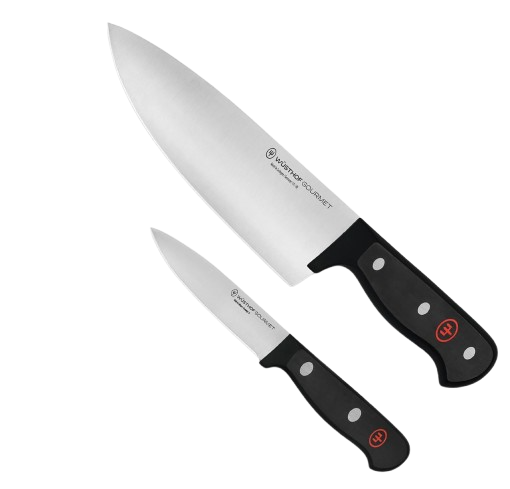

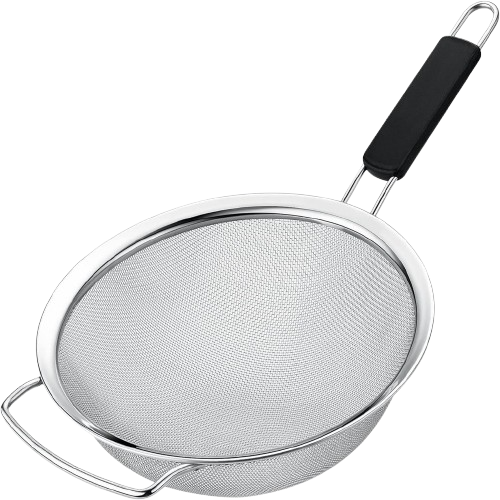
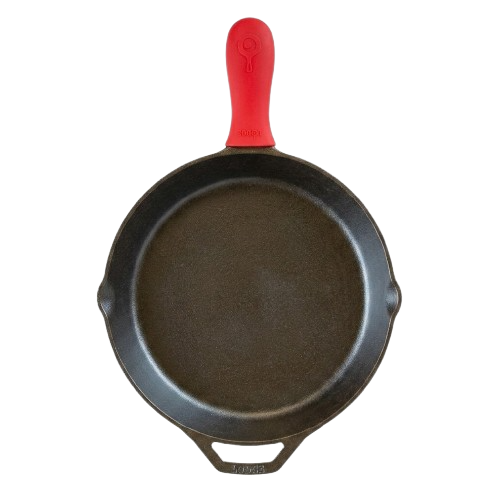
As an Amazon Associate, Salt & Simmer earns from qualifying purchases made through these links, at no extra cost to you.