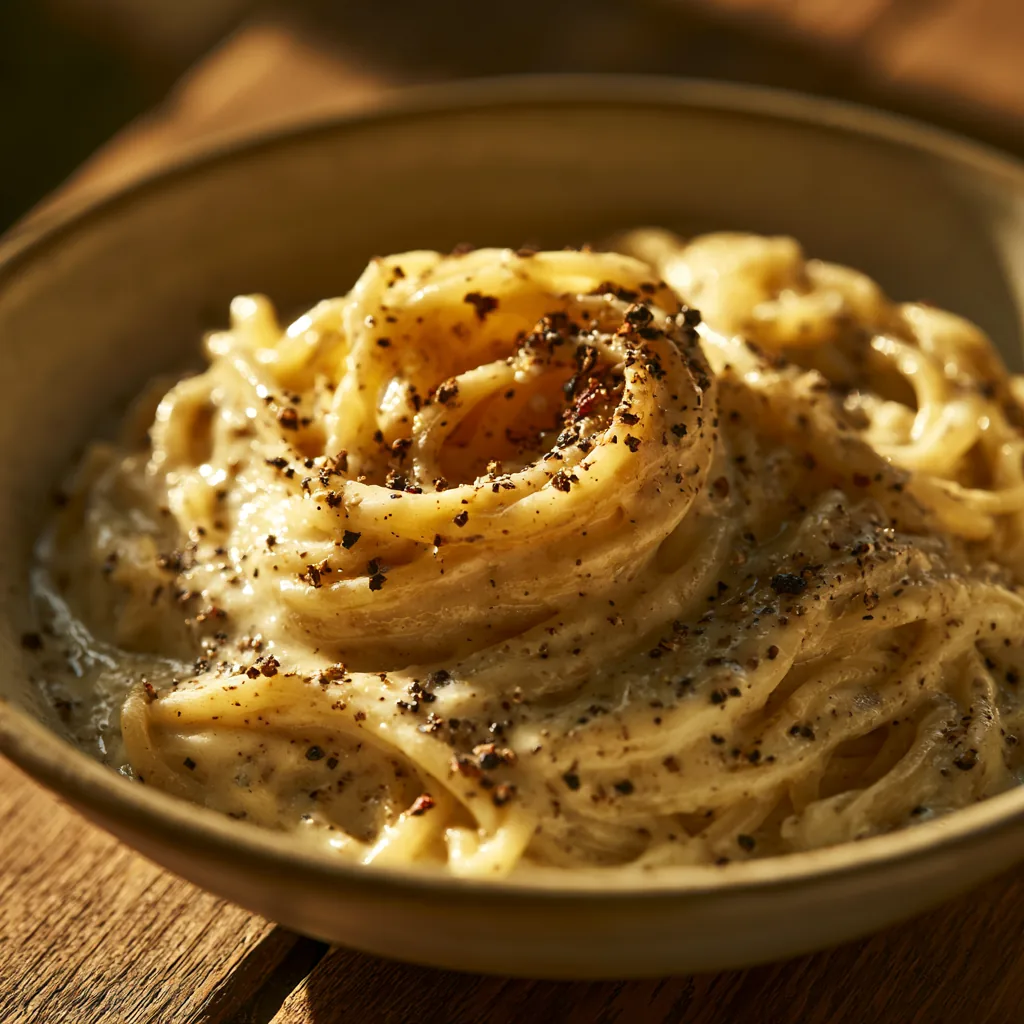
Cacio e Pepe
A Roman masterpiece of simplicity: al dente pasta coated in a creamy sauce of nothing but Pecorino Romano cheese and cracked black pepper. Elegant, satisfying, and absolutely perfect.
- 350g spaghetti or tonnarelli
- 150g Pecorino Romano cheese, finely grated
- 2 tsp freshly ground black pepper
- to taste salt
- Bring a large pot of salted water to a rolling boil. The water should taste pleasantly salty, like seawater—this is your only opportunity to season the pasta itself. Add the spaghetti or tonnarelli and stir immediately to prevent sticking. Cook according to the package directions until al dente, usually 8–10 minutes. Before draining, reserve approximately 1 cup of the starchy pasta cooking water in a measuring cup or bowl. This water is crucial for creating the silky sauce, as the starch helps emulsify the cheese.
- While the pasta cooks, prepare a large skillet or wide shallow pan—ideally not hot yet. Measure out the finely grated Pecorino Romano cheese into a bowl. Grating it fresh rather than using pre-grated cheese is important, as pre-grated varieties contain anti-caking agents that prevent proper melting and emulsification. Set aside.
- Place the skillet over medium heat and add the freshly ground black pepper. Toast the pepper in the dry pan for 1–2 minutes, stirring occasionally, until it becomes fragrant. This blooming process releases the volatile oils in the pepper, deepening its flavor significantly. Do not let it burn—the goal is aromatic, not charred.
- Add about 1/4 cup (60 ml) of the reserved pasta water to the pan with the toasted pepper. The water will sizzle and the pepper will suspend in the liquid, creating a fragrant base for the sauce. Keep the heat at medium—too high and you risk curdling the cheese; too low and the emulsification won't work properly.
- Drain the cooked pasta thoroughly in a colander, shaking well to remove excess water. Immediately transfer the hot pasta to the skillet with the pepper and water mixture. Using tongs or two forks, toss the pasta constantly for 30 seconds to 1 minute, coating it evenly in the peppery water and allowing the pasta to cool slightly.
- Remove the skillet from the heat. This is critical—the residual heat combined with the starchy pasta water will cook the cheese, not direct heat. Begin adding the grated Pecorino Romano in handfuls, tossing constantly with tongs or a wooden spoon. Add the cheese gradually, allowing each addition to melt and incorporate into the pasta before adding more. This patience is essential for achieving a creamy sauce without lumps.
- As the cheese begins to melt, add pasta water a few tablespoons at a time, continuing to toss vigorously. The starch in the pasta water and the fat in the cheese will emulsify together, creating a silky, creamy coating that clings to each strand of pasta. The mixture should look glossy and cohesive, not dry or greasy. Add water as needed to achieve the right consistency—it should flow slightly on the plate but coat the pasta thoroughly.
- When all the cheese is incorporated and the sauce has reached the desired consistency, taste for seasoning. The Pecorino is salty, but you may want a small pinch of additional salt. Grind fresh black pepper over the top if desired for extra pepper flavor.
- Divide the pasta immediately into warm bowls and serve at once. Cacio e Pepe must be eaten hot—it begins to separate and become grainy as it cools. Top each bowl with an extra pinch of cheese and fresh cracked pepper if desired. Eat with urgency and appreciation for this perfection of simplicity.
Chef's Note: Cacio e Pepe is a Roman classic that demands respect for its simplicity. The name translates to "cheese and pepper"—these are literally the only ingredients besides pasta. Yet in the hands of a skilled cook, these humble elements transform into something transcendent. The success of this dish depends entirely on technique and ingredient quality.
The key is understanding emulsification: the starch from the pasta water and the fat from the cheese must combine over gentle heat to create a creamy sauce that coats the pasta. This cannot be rushed or forced with high heat. Use only the finest Pecorino Romano you can find—the cheese should be sharp, nutty, and aged. Some cooks add a small amount of butter or guanciale (cured pork jowl), but the traditional, purest version contains only these four ingredients. Once plated, it must be eaten immediately—every second it sits, the sauce becomes less silky as it cools.
A few tools that make this recipe easier to get right.


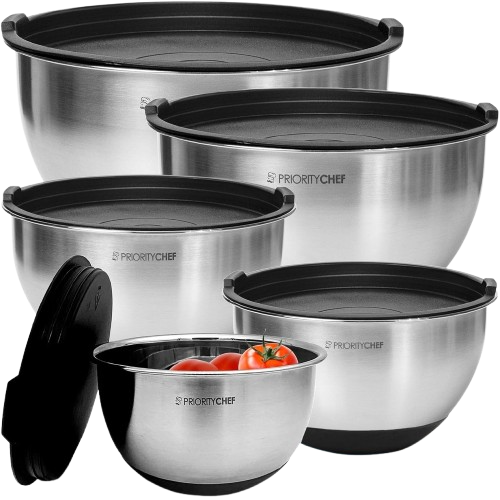
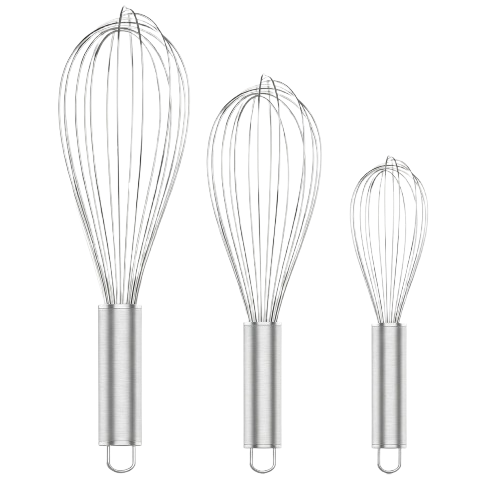
As an Amazon Associate, Salt & Simmer earns from qualifying purchases made through these links, at no extra cost to you.