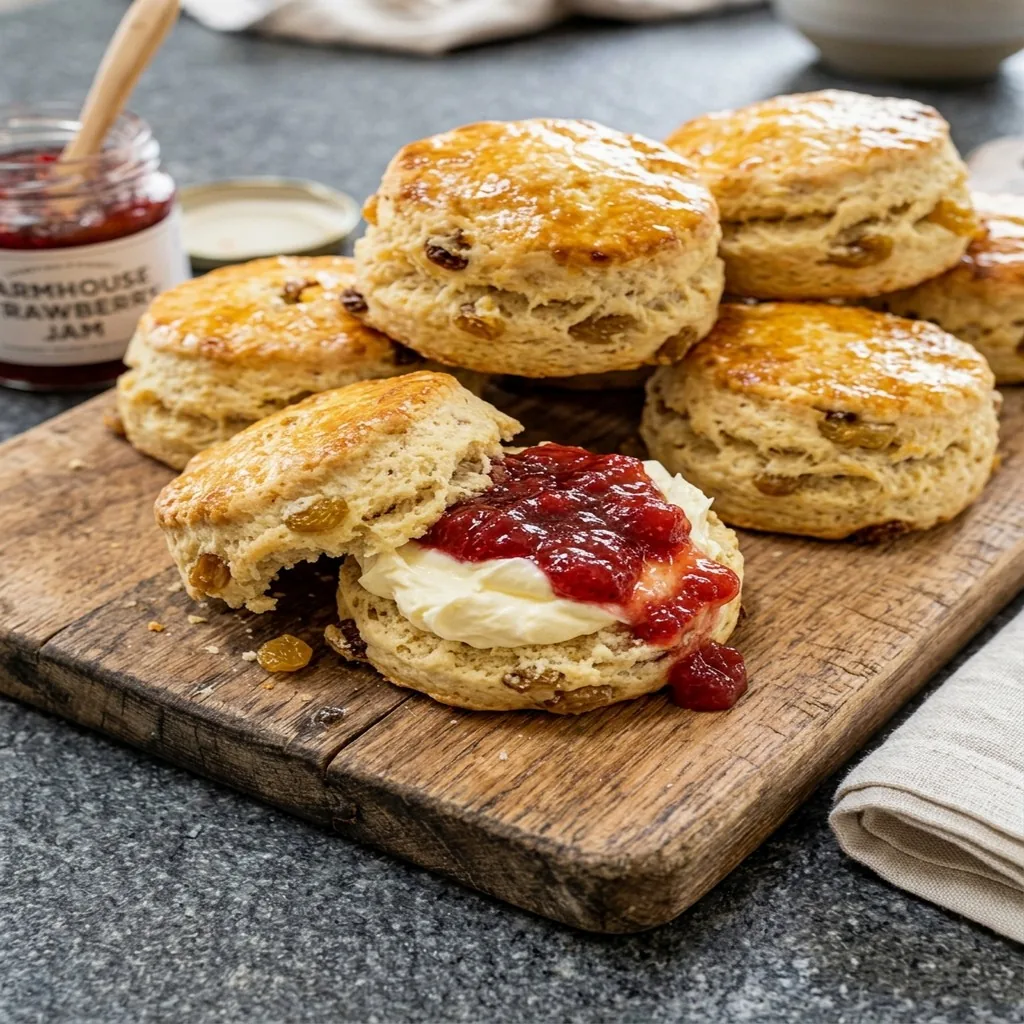
English Scones
Tender, flaky tea scones with plump golden raisins, double-chilled for height and finished with a glossy egg wash — perfect with clotted cream and jam.
- 3 1/2 cups all-purpose flour (500g)
- 2 tablespoons plus 1 teaspoon baking powder (24g)
- Pinch of salt
- 7 tablespoons cold, unsalted butter, cut into small pieces (94g)
- 1/2 cup sugar (86g)
- 3 eggs, divided
- 3/4 cup, less 1 tablespoon buttermilk (175ml)
- 2/3 cup sultanas or golden raisins, optional (100g)
- If using sultanas or golden raisins, soak them in a bowl of hot water for 20 to 30 minutes to soften, then drain thoroughly before adding to the dough. Softening the dried fruit first means it won't pull moisture out of the dough as it bakes, and you'll get tender, plump raisins instead of hard little nuggets throughout the scones.
- In a large mixing bowl, whisk together the flour, baking powder, salt, and sugar. Add the cold butter pieces and work them into the dry ingredients with your fingertips until the mixture looks crumbly, roughly the texture of large peas scattered through sand — keeping the butter cold and in visible pieces is what creates flaky layers once the scones bake.
- In a separate small bowl, whisk together two of the eggs with the buttermilk. Pour the egg mixture into the flour and butter mixture, then stir just until it starts to come together. Fold in the drained raisins if using, then gently knead the dough by hand only until it's smooth — overworking the dough at this stage is the most common way to end up with tough, bready scones instead of tender ones.
- Turn the dough out onto a lightly floured countertop and dust the top with a little more flour. Pat or roll the dough out to an even 1-inch thickness, cover, and refrigerate for 30 to 45 minutes. This rest lets the gluten relax and the butter firm back up, both of which are key to a tall, flaky rise in the oven.
- Remove the chilled dough from the fridge and cut it into rounds using a biscuit cutter of your preferred size. Arrange the cut scones on a baking sheet lined with parchment paper, leaving space between them, then cover and chill for another 20 minutes — this second chill firms the butter back up one more time after handling the dough.
- Preheat your oven to 400°F (205°C). Whisk the remaining egg and brush it gently over the top of each chilled scone with a pastry brush, or your fingers if you don't have one on hand — this egg wash is what gives the finished scones their glossy, golden top.
- Bake for 12 to 15 minutes, depending on the size of your cutter, until the scones are risen and light golden brown on top. Leave at least 1 1/2 inches between scones so they bake evenly rather than fusing together, and let them cool on a wire rack before serving warm or at room temperature with clotted cream and jam.
Chef's Note: This recipe is adapted from an official Buckingham Palace tea scone recipe, converted from metric measurements and adjusted from a professional convection oven to a standard home oven. The two chilling stages — once before cutting, once after — are what separate a proper English scone from an American biscuit, giving the butter time to firm back up so the scones rise tall and flaky rather than spreading flat in the oven.
These scones freeze beautifully at the cut, unbaked stage: freeze them in a single layer on a tray until firm, then transfer to an airtight container or freezer bag, and bake straight from frozen with just an extra minute or two added to the bake time. Serve them the traditional way, split and spread with clotted cream and good strawberry jam, for a proper English cream tea.
A few tools that make this recipe easier to get right.
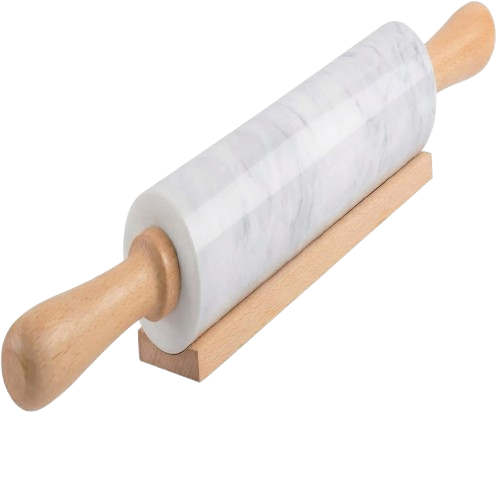
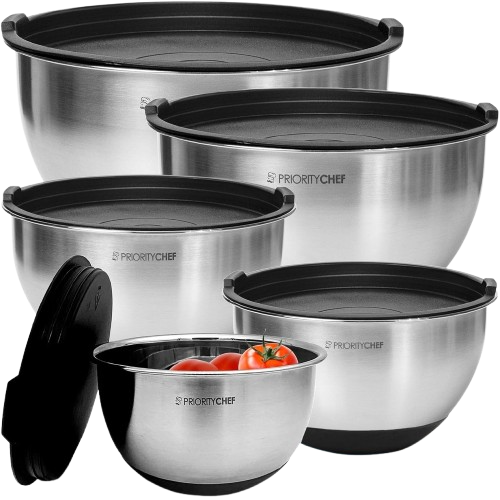

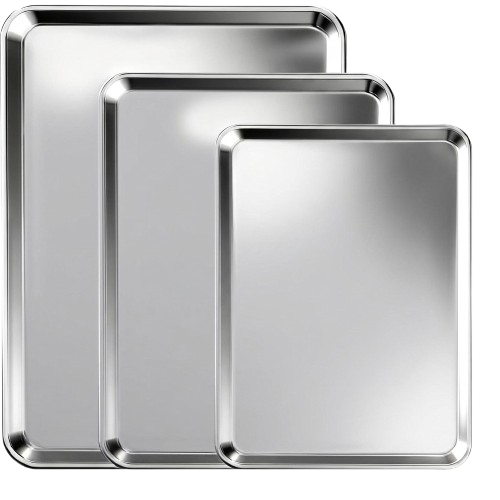
As an Amazon Associate, Salt & Simmer earns from qualifying purchases made through these links, at no extra cost to you.