
Garlic Parmesan Orzo
Creamy one-pot orzo simmered in garlic, shallot, and broth, finished with freshly grated Parmesan and fresh spinach — a grown-up twist on mac and cheese.
- 2 teaspoons unsalted butter
- 2 cloves garlic, minced
- 1 large shallot (1/4 cup minced)
- 2 cups broth (chicken or vegetable)
- 1 cup milk
- 1/4 teaspoon garlic powder
- 1/4 teaspoon sea salt
- 1/4 teaspoon black pepper
- 1 cup dry orzo pasta
- 3/4 cup freshly grated Parmesan cheese
- 2 cups chopped fresh spinach
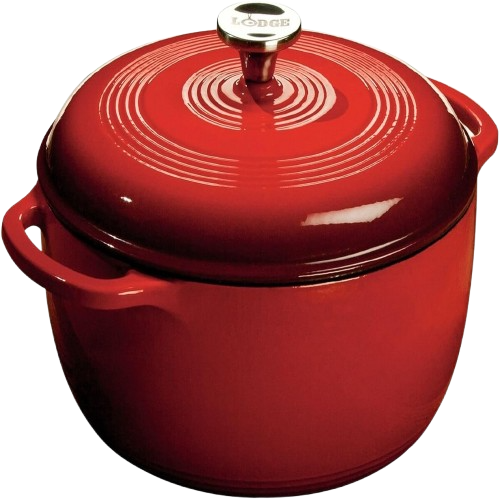
- Melt the butter in a large pan deep enough to hold the orzo and sauce, over medium-high heat. Sauté the shallot until tender, adding the garlic toward the end so it doesn't have time to burn — garlic cooks much faster than shallot and turns bitter quickly if it goes in too early.
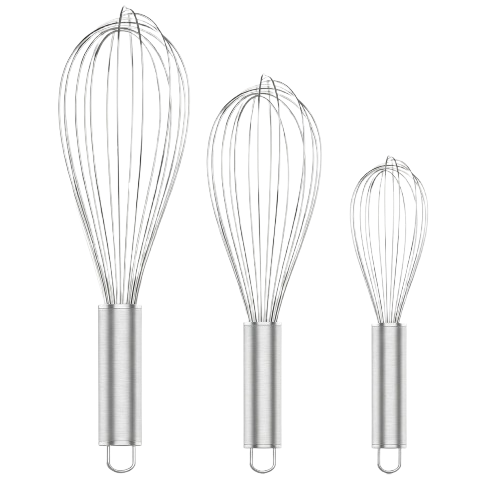
- Add the milk, broth, salt, pepper, and garlic powder, stirring with a whisk to deglaze the pan and lift up any browned bits stuck to the bottom.
- With the burner set to medium, add the orzo and stir it in. Set a timer for 10 minutes. Once the mixture starts boiling and bubbling vigorously, reduce the heat to low and continue to simmer, stirring occasionally so the orzo doesn't stick or clump.
- Once the pasta reaches al dente, or your preferred softness, remove the pan from the heat. The sauce will look thin at this stage but will thicken noticeably as it cools, so don't be tempted to keep cooking it down. Stir in the Parmesan cheese and chopped spinach, folding them into the warm orzo until the cheese melts and the spinach wilts.
- Season to taste, garnish with extra Parmesan if you like, and serve while it's hot.
Chef's Note: Cooking orzo directly in the broth and milk, rather than boiling it separately and draining, is what gives this dish its creamy, risotto-like texture — the starch released by the pasta as it cooks thickens the sauce naturally without any flour or cornstarch needed. Adding the garlic near the end of the shallot sauté is a small technique worth remembering for other dishes too, since garlic's higher water content means it browns and burns much faster than onion or shallot.
Don't worry if the sauce looks a little loose right when you pull it off the heat — it firms up as it sits and the residual heat continues to cook the starch, so resist the urge to keep it on the burner longer than the recipe calls for. No shallot on hand? Finely minced white or yellow onion is a perfectly good substitute here.
A few tools that make this recipe easier to get right.


As an Amazon Associate, Salt & Simmer earns from qualifying purchases made through these links, at no extra cost to you.