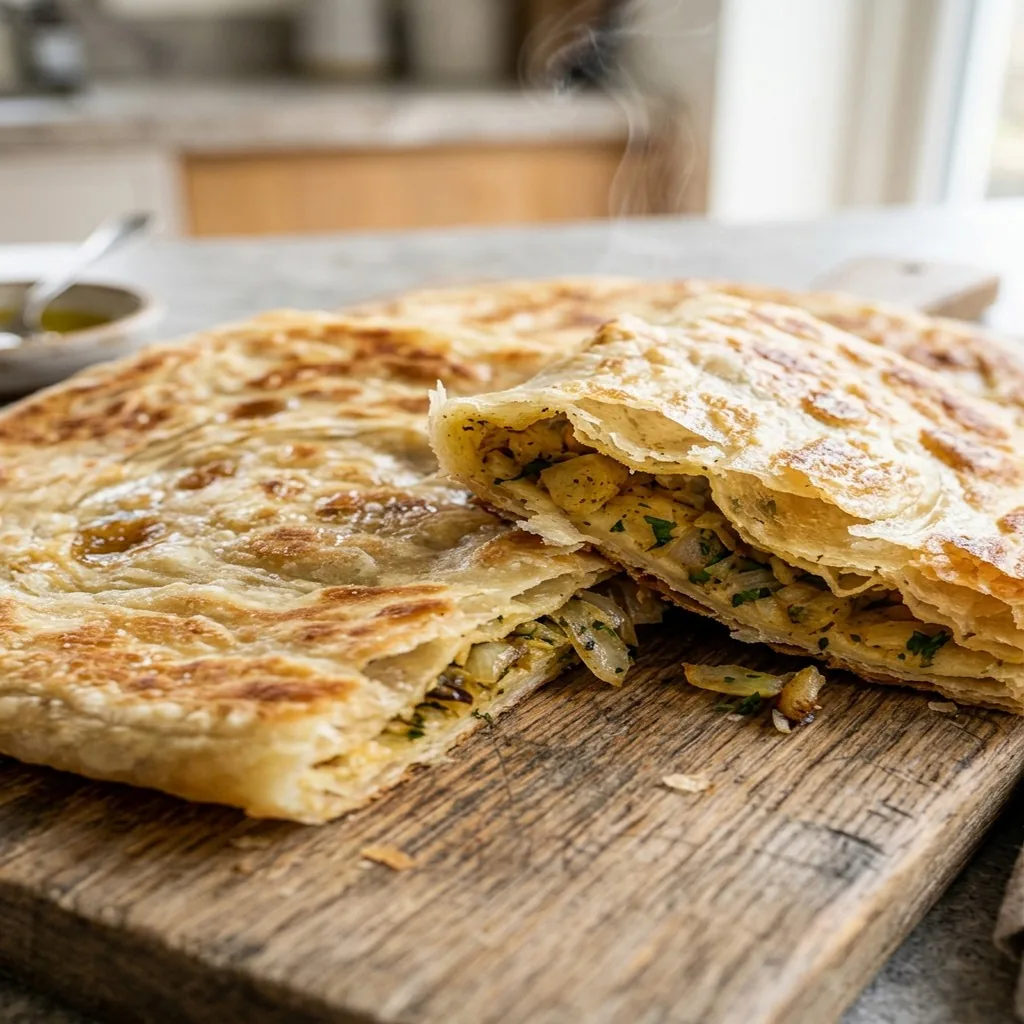
Moroccan Flat Bread
Griddle-cooked flatbread folded around a savory onion, parsley, and spice filling — crisp and golden outside, soft and tender within.
- For the Dough
- 1/4 teaspoon active dry yeast
- 1 cup unbleached all-purpose flour
- 1/2 teaspoon salt, plus more for the filling
- For the Filling
- 1 medium onion, very finely chopped
- 1/4 cup flat leaf parsley, finely chopped
- 3 tablespoons unsalted butter, softened, plus more for greasing
- 1/2 teaspoon ground cumin
- 1 teaspoon paprika
- 1/8 teaspoon crushed red pepper flakes
- Stir the yeast into a scant 1/2 cup of tepid water and let it sit for about 5 minutes, until it looks slightly foamy.
- Sift the flour into a large mixing bowl. Add the salt and the yeast water, gradually working it in until the dough is slightly wetter than a typical bread dough. Knead with your hands for 10 minutes, until completely smooth and pliable.
- Combine all the filling ingredients in a mixing bowl, add salt to taste, and mix well.
- Smear your work surface and hands with butter and divide the dough into 4 equal portions. Flatten one portion with your fingers into a very thin square, stretching it as you go — work carefully so you don't tear it.
- Spread a quarter of the filling over one half of the dough square, then fold the plain side over it. Fold again to form a smaller square, then flatten it as thin as possible with your fingers.
- Grease a large nonstick frying pan with a little butter and set it over medium-high heat. Place the folded dough in the pan and cook for 3 to 4 minutes per side, until lightly golden all over. Remove and set on parchment paper.
- Repeat with the remaining dough portions, re-buttering your hands, work surface, and pan before making each one. Serve hot or warm.
Chef's Note: Stretching the dough as thin as possible without tearing it is genuinely the technique that defines this bread — the thinner the layer, the crispier and more delicate the finished flatbread turns out, with the filling creating distinct pockets of flavor throughout the folded layers. Keeping your hands and work surface well-buttered between each portion isn't just for easy handling; it also adds a bit more richness to the finished bread as it cooks.
This bread is traditionally cooked on a large flat griddle right on the street in parts of North Africa, so a wide nonstick frying pan at home is a very reasonable substitute. If a piece tears while you're stretching it, don't worry too much — just patch it back together as best you can and continue; a few imperfections won't affect the taste.
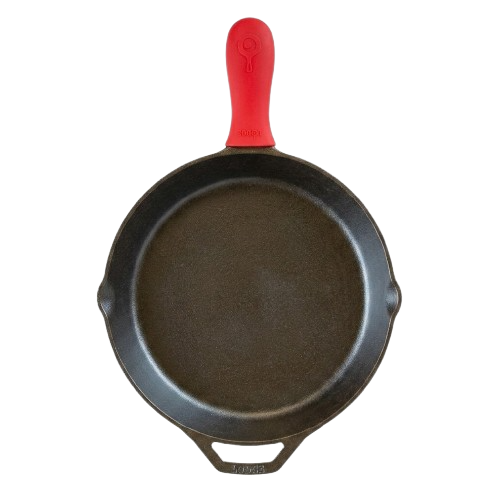
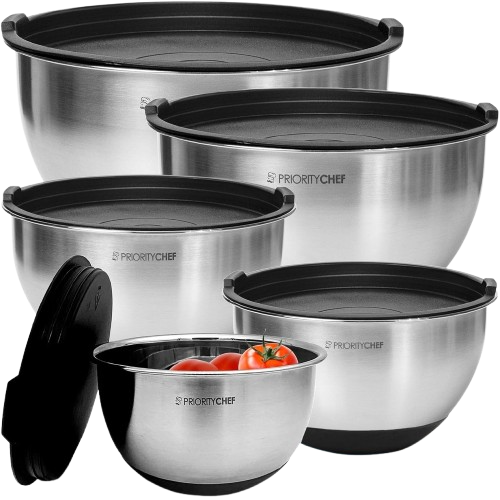
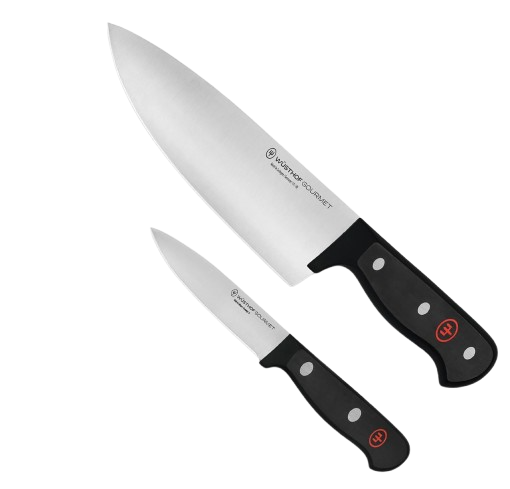
A few tools that make this recipe easier to get right.

As an Amazon Associate, Salt & Simmer earns from qualifying purchases made through these links, at no extra cost to you.